

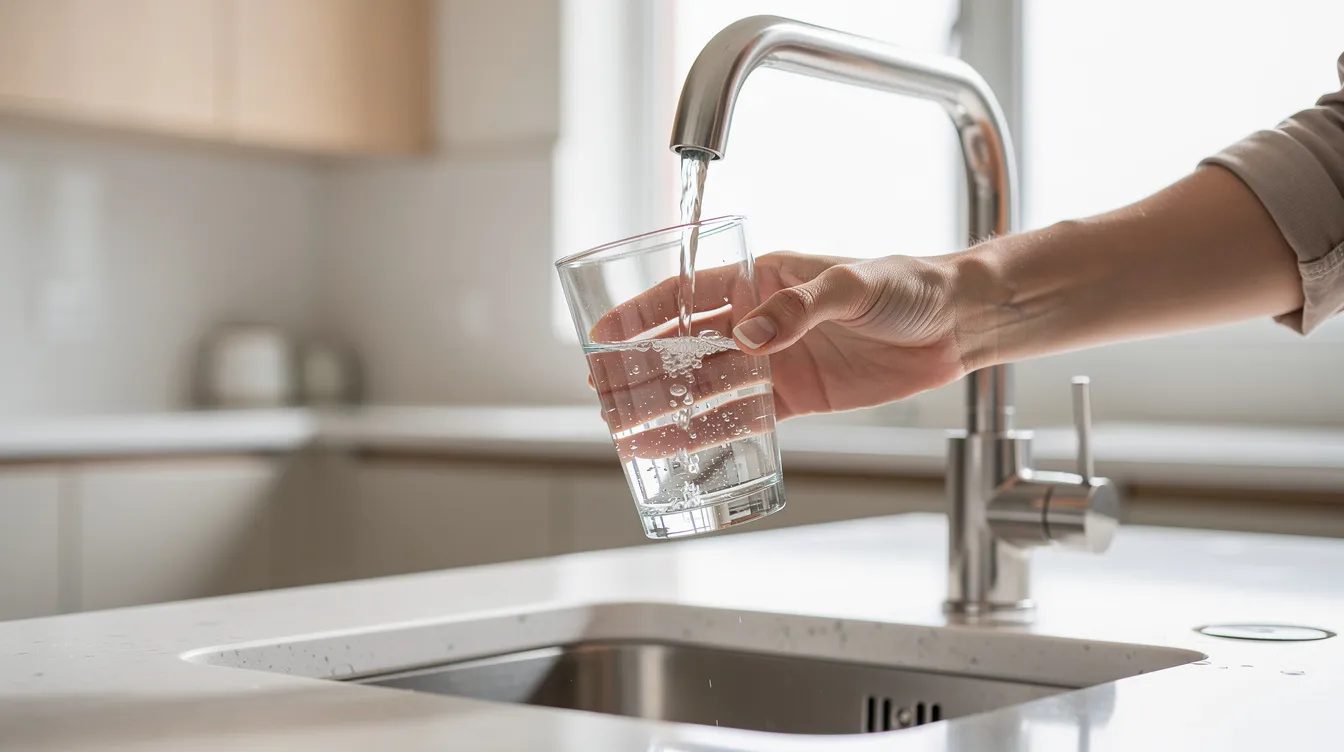
If your well water smells like rotten eggs, you’re dealing with one of the most common water complaints in Southwest Florida. That offensive odor is almost always hydrogen sulfide gas dissolved in your groundwater — not sewage, not a dead animal in the well. Here’s what you need to know, what to do first, and when to call for help.
Fast Answers: Is Sulfur Water Dangerous and What Should I Do First?
A sulfur smell in your water well is unsettling, but at typical household levels, hydrogen sulfide in water causes no known health effects. It’s generally an aesthetic issue — bad smell, bad taste, and over time, damage to your plumbing system. Most people detect hydrogen sulfide levels below 0.5 mg/L by smell alone, so if you notice it, you’re probably dealing with low concentrations.
That said, here’s when it stops being just a nuisance:
- Not usually a health emergency at the concentrations found in drinking water. Hydrogen sulfide is generally an aesthetic issue and not a health hazard at low levels.
- Call 911 or evacuate if there’s a strong sewer-gas-type odor combined with dizziness or breathing trouble, especially in enclosed well houses or pump rooms where gas can accumulate.
- Call a licensed plumber the same day if you notice a sudden strong rotten egg smell at every faucet, visible black water, metallic taste, or corrosion and leaks starting at plumbing fixtures.
- Start basic troubleshooting yourself if you’ve had a long-standing mild sulfur smell, seasonal or intermittent odor, or the smell is only in hot water.
Your first three steps:
- Step 1: Note whether the rotten egg odor is in cold water, hot water, or both.
- Step 2: Check an outdoor hose bib that’s not connected to a water softener to see if the smell is present there.
- Step 3: Plan to get your well water tested for hydrogen sulfide, iron, manganese, and bacteria before investing in any treatment devices.
Pros Plumbing & Rooter handles sulfur water diagnosis, testing coordination, and treatment system installation for homes and businesses in Naples, Estero, Marco Island, and surrounding areas.
What Causes That Rotten Egg Odor in Well Water?
A sulfur smell in well water is usually caused by hydrogen sulfide gas. It’s not coming from your septic system, and it doesn’t mean your well is contaminated with sewage.
Here’s how hydrogen sulfide occurs in your water supply:
- Sulfur reducing bacteria thrive in low-oxygen groundwater environments. These sulfur bacteria feed on naturally occurring sulfur compounds and organic material in the aquifer, and they form hydrogen sulfide as a byproduct.
- Hydrogen sulfide gas forms when sulfur-reducing bacteria break down organic matter in anaerobic zones — inside the well casing, deep in the aquifer, or in stagnant sections of pipes.
- Naturally occurring hydrogen sulfide can be present in groundwater from certain rock types. Wells drilled into sulfur-bearing limestone, gypsum, or acidic bedrock often have hydrogen sulfide present.
- Southwest Florida’s Upper Floridan Aquifer frequently shows sulfate levels exceeding 250 mg/L, especially in coastal zones. That sulfate is the raw material sulfur bacteria use to produce H₂S.
How to tell sulfur water apart from other odors:
- The rotten egg smell from hydrogen sulfide gas is sharp and chemical. Musty or earthy odors near canals or marshes usually come from decaying organic matter — different problem.
- Sewage backflow or septic failure may smell similar but typically shows other signs: cloudy water, toilet backups, wet spots in the yard, or coliform bacteria in test results.
Hydrogen sulfide is more common in groundwater than in city water because in open air the gas escapes quickly. Water from deep private wells in areas like Golden Gate Estates, North Naples, and inland Collier and Lee counties regularly tests with noticeable hydrogen sulfide levels.
Common Sources: Well, Plumbing System, or Water Heater?
The rotten egg odor can come from three places, and figuring out which one saves you time and money:
- The groundwater itself. If both hot and cold water taps smell at every fixture — including outdoor hose bibs — the source is likely your aquifer or the well.
- The plumbing system. Sulfur bacteria can colonize water softener resin beds, filter housings, or sections of pipes with stagnant water. Iron bacteria can coexist here too, producing reddish brown or orange stringy slime that compounds clogging and odor problems. Iron bacteria produce a similar smell as sulfur bacteria and can clog pipes.
- The water heater. Water heater issues can produce a sulfur smell if the odor is only in hot water. Magnesium anodes in water heaters can produce hydrogen sulfide gas through chemical reactions with sulfate and bacteria inside the storage tank.
Quick location guide:
- Odor only in hot water → suspect the water heater and its anode rod.
- Odor in both hot and cold water at every tap including outdoor spigots → likely in the well water or well casing.
- Odor at some faucets but not others → may be related to a water softener, filter, or stagnant dead-leg piping.
Sulfur bacteria produce a brown or black slime that coats well casings, pressure tanks, filters, and toilet tanks. Untreated sulfur water increases corrosion risk for copper, steel, and brass fittings, and causes premature wear in water heaters, washing machines, and dishwashers.
Step-by-Step: How to Diagnose Where the Sulfur Smell Is Coming From
This is a practical, at-home checklist you can usually knock out in under an hour before calling anyone.
- After the plumbing sits unused for a few hours, run cold water only at a nearby sink for 10–15 seconds. Fill a glass and smell it. Record whether it smells like rotten eggs.
- Repeat with hot water at the same faucet. Note whether the odor is stronger, weaker, or the same.
- Go to an outdoor spigot that bypasses the water softener and filters. Test cold water taps there. If the rotten egg smell is present at the outdoor tap, it’s in the water coming from the well.
- Check toilets: lift the tank lid and look for black or slimy deposits that indicate sulfur bacteria colonization.
What your results mean:
- Odor mainly in hot water → likely an anode rod or water heater issue.
- Odor in softened water but not at the bypass tap → sulfur bacteria may be living inside your water softener or filter.
- Odor everywhere, including outdoors → the problem is in the well water itself or the well casing.
Document what you find — photos of slime, notes on where the smell is strongest. This information helps your plumber or water treatment professional zero in on the fix. Professional testing is recommended for new or sudden sulfur odors in well water.
Safety warning: Do not enter well pits, confined pump rooms, or underground vaults. Hydrogen sulfide gas can accumulate in enclosed spaces and become dangerous at high concentrations. OSHA sets exposure limits at 20 ppm ceiling, and levels above that are hazardous.
Sulfur Bacteria and Hydrogen Sulfide Gas: What They Are and Why They Matter
Sulfur bacteria:
- Live in low-oxygen environments like deep wells, plumbing dead legs, and water heaters.
- Feed on sulfates and organic matter and produce slime that can harbor other bacteria, including iron bacteria.
- Are not typically a direct health threat themselves, but they create the rotten egg odor, can clog wells, pumps, irrigation systems, and filters, and reduce water quality by supporting other microbial growth.
Hydrogen sulfide gas (H₂S):
- A colorless gas with a strong rotten egg odor. Hydrogen sulfide levels of 0.5 mg/L or more are usually noticed, and most people pick it up well below that.
- At typical well water levels, it’s mainly an aesthetic and plumbing issue. But hydrogen sulfide concentrations can reach 50 to 75 mg/L in some wells, and in enclosed spaces, those high concentrations can be hazardous or fatal.
Corrosion and staining:
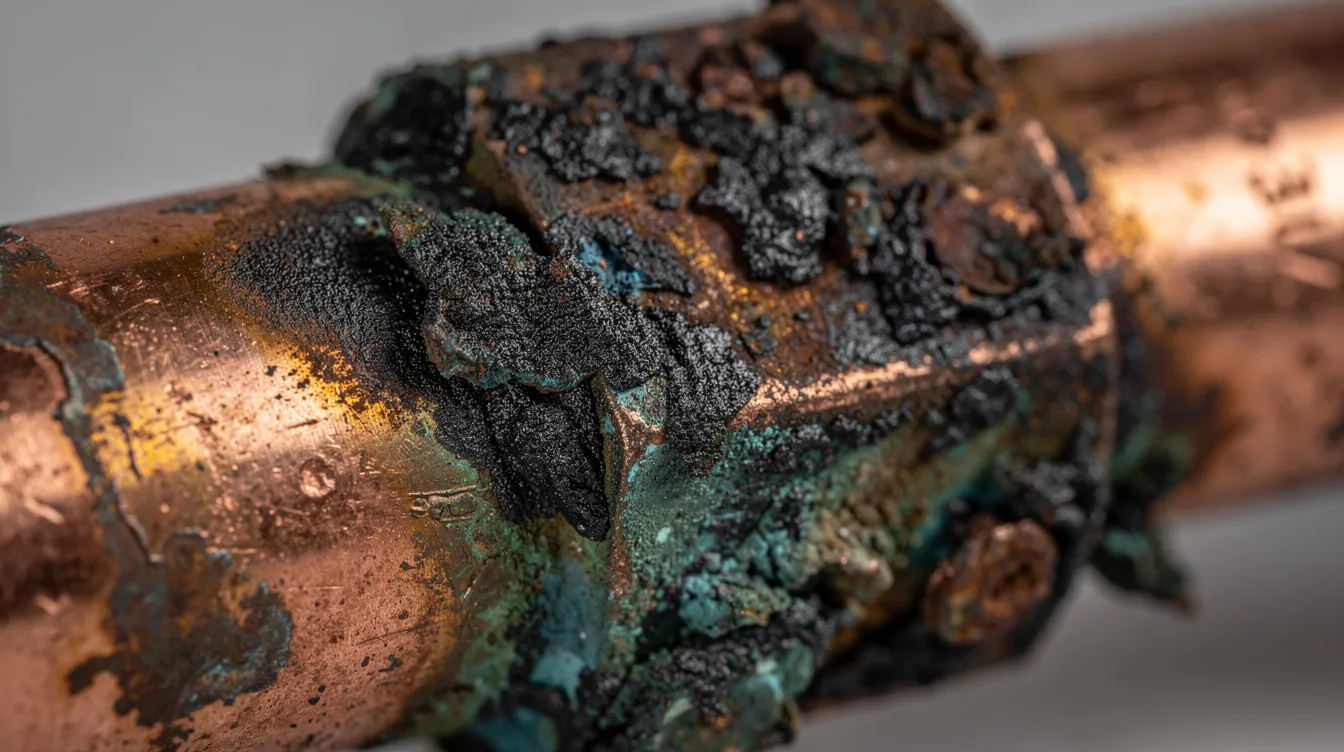
- Hydrogen sulfide can corrode metals in plumbing systems. It reacts with iron, steel, copper, and brass to form insoluble sulfur compounds — black metal sulfides that show up as greasy black or yellow stains on fixtures and inside pipes.
- This accelerates pinhole leaks, fixture pitting, and premature failure of water heaters and appliances. The corrosion protection your magnesium rod provides gets consumed faster in sulfur water.
- In washing machines, sulfur water can darken or yellow clothes. Hydrogen sulfide also interferes with the effectiveness of household bleach and chlorine bleach solution when doing laundry.
Testing Your Well Water for Sulfur and Other Contaminants
Testing before treatment is important to determine the exact cause and concentration of hydrogen sulfide. Without data, you’re guessing — and guessing leads to buying the wrong equipment.
- Hydrogen sulfide levels determine which treatment approach makes sense. Concentrations are reported as mg/L or ppm.
- Similar odors can sometimes indicate sewage, methane, or other problems. Testing clarifies what you’re actually dealing with.
How to test:
- Hydrogen sulfide testing must be done at the well site because the gas escapes quickly once water is exposed to air. On-site field kits or immediate stabilization is essential.
- Laboratory tests for iron, manganese, hardness, pH, total dissolved solids, and bacteria give you the full picture. Test well water for coliform bacteria and nitrate to rule out contamination.
- Collect samples as close to the well as practical — before any treatment equipment — so you know what’s in the raw water.
- Follow the lab’s instructions carefully, including any chemical stabilization required for sulfide testing.
Hydrogen sulfide does not have a drinking water standard set by the EPA because odor is detected at levels far below where health effects would be expected. But your local health department still recommends routine testing of private wells.
Homeowners in Southwest Florida should work with a state-certified lab. Pros Plumbing & Rooter can help coordinate sampling, interpret results, and match them with the right treatment options so you get your water tested properly the first time.
Water Heater–Related Rotten Egg Odor: Anode Rods, Sediment, and Simple Fixes
If the sulfur smell is only in hot water, the hot water heater is usually the culprit — not the well.
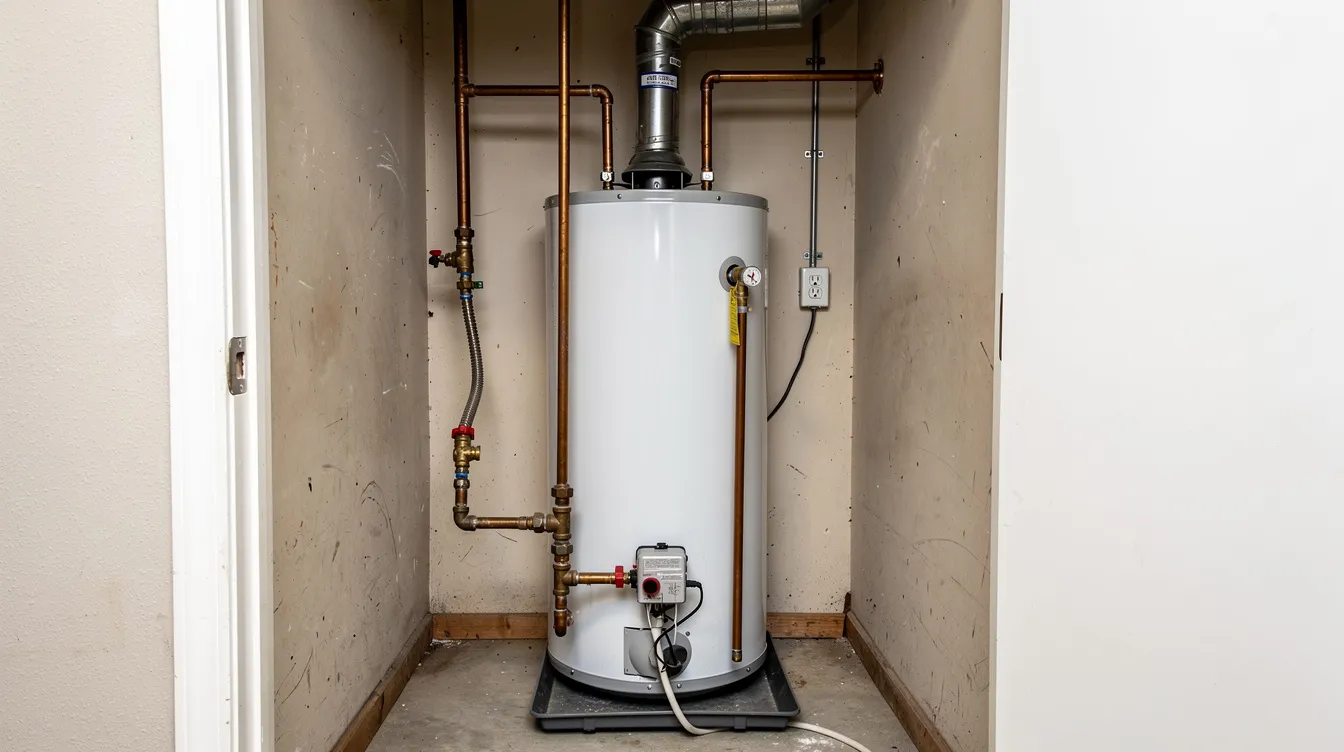
Here’s why. Most glass-lined electric and gas water heaters have magnesium anode rods installed to reduce corrosion of the tank lining. In water supplies with elevated sulfate — common in SW Florida — the magnesium rod reacts with sulfate and sulfur bacteria in the warm, low-oxygen environment of the tank. The result: hydrogen sulfide gas that makes your hot water smell like rotten eggs.
Common remedies:
- Flush the water heater to remove sediment and organic matter that feed bacteria. This alone sometimes helps for a few weeks.
- Heat and flush method: Raise the water temperature to around 160°F for several hours to kill sulfur bacteria, then flush the tank. This works but carries scald risk — we recommend professional help for this one.
- Replace the magnesium anode rod with an aluminum or zinc-aluminum alloy anode designed to reduce sulfur odor. Research on 14 sites found that swapping to aluminum/zinc practically solved the problem.
Trade-offs to understand:
- Removing the anode entirely is sometimes suggested online, but it can dramatically shorten tank life and void warranties. Don’t do it.
- Working with gas equipment or high water temperature settings is risky. Homeowners in Naples, Estero, and surrounding areas should let a licensed plumber handle anode changes and deep flushing.
Tankless water heaters rarely cause sulfur smells by themselves because they don’t store water. If the odor persists with a tankless unit, the issue is almost always in the incoming well water.
Treatment Options for Sulfur Water From the Well (Whole-Home Solutions)
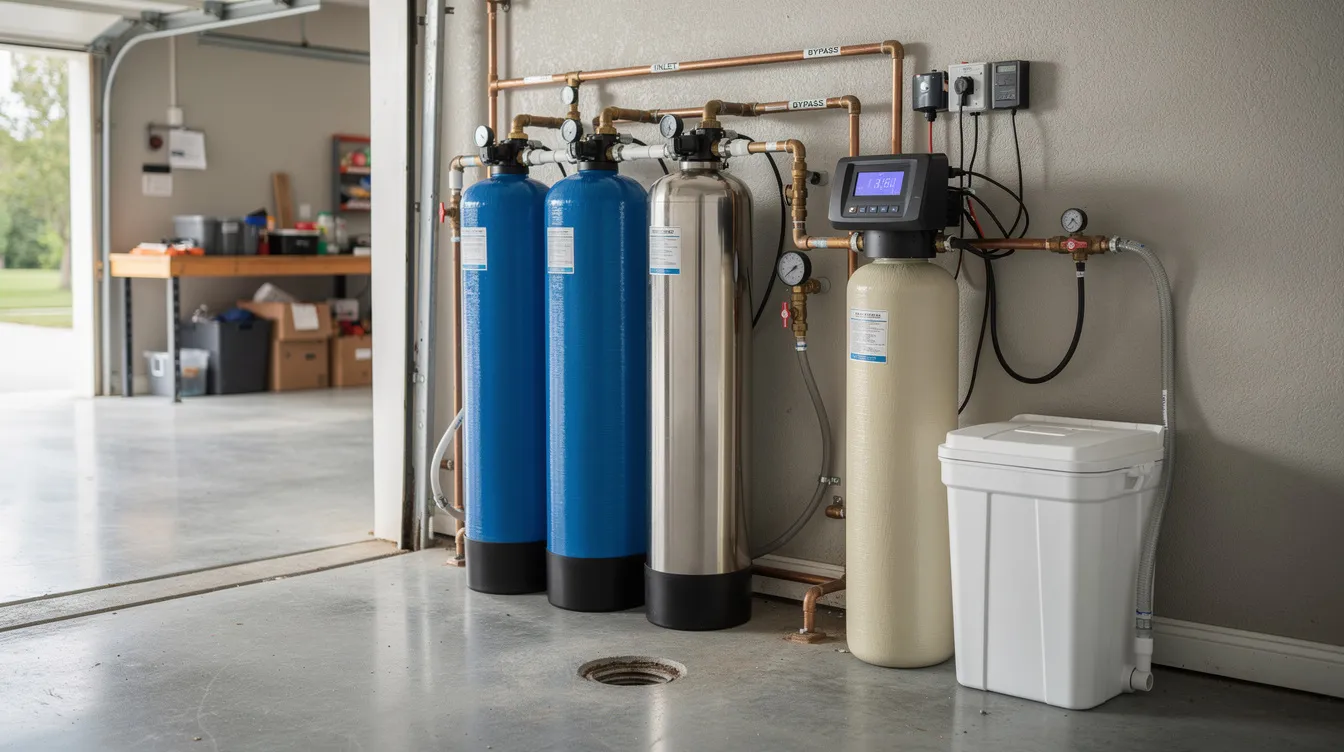
Once testing confirms hydrogen sulfide in your well water, the right fix is usually a point-of-entry system — whole-house home water treatment so every tap, shower, and appliance gets clean water.
Oxidation and filtration methods:
- Continuous chlorination: A chemical feed pump injects chlorine before a contact tank and filter, converting hydrogen sulfide into solid sulfur particles that get filtered out. Chlorination can remove hydrogen sulfide concentrations over 6 mg/L. Follow with an activated carbon filter to remove chlorine taste so you don’t smell chlorine at the tap.
- Potassium permanganate with a manganese greensand filter: Oxidizes hydrogen sulfide, iron, and manganese effectively at higher H₂S levels. Requires careful chemical handling and regular regeneration of the media. Good for wells drilled in high-sulfate areas.
- Oxidizing filters using manganese-coated media (greensand, catalytic media) for lower to moderate concentrations. These convert hydrogen sulfide into particles that can be filtered out. Backwashing is required to keep media clean and functioning.
Carbon-based methods:
- Activated carbon filters and catalytic carbon filters work for low hydrogen sulfide levels — typically under about 1 mg/L for standard carbon. They’re often used as polishing filters after an oxidizing treatment to remove residual odor and improve taste.
Aeration systems:
- Inject air into the water and vent hydrogen sulfide gas to the outside, then run through a follow-up filter to catch sulfur particles. Chemical-free, but needs space and proper venting. Not ideal for very high H₂S concentrations.
The key is choosing your system based on actual water quality data — H₂S concentration, iron, manganese, hardness, pH — rather than guesswork. Pros Plumbing & Rooter designs and installs custom treatment systems sized for Southwest Florida well water chemistry.
Short-Term Fixes vs. Long-Term Solutions: Shock Chlorination and Maintenance
Shock chlorination is often the first thing people try — and it has its place:
- It involves adding a strong chlorine bleach solution directly into the well and plumbing system to kill sulfur bacteria and reduce odor. You let it sit for several hours (usually 12–24), then flush the system.
- Often recommended when a well is first drilled, after pump or plumbing work, or when slime buildup or odor suddenly worsens. Shock chlorination can temporarily kill bacteria causing odors in well water.
Set your expectations:
- Shock chlorination can temporarily kill bacteria causing hydrogen sulfide odors, but sulfur bacteria often return within a few weeks if underlying conditions — sulfates, organic matter, low oxygen — haven’t changed. It’s a reset, not a cure.
- For chronic sulfur issues, shock treatment is usually a first step, followed by continuous chlorination, filtration, or aeration for long-term control.
Safety and best practices:
- Follow state or local health department guidance for well disinfection. Don’t over-chlorinate.
- If iron bacteria are also present, use a licensed well contractor or experienced plumber for deep disinfection and well cleaning.
Routine maintenance matters:
- Backwash filters on schedule.
- Replace activated carbon as it becomes exhausted.
- Inspect and clean brine tanks, softener resin, and prefilters if sulfur bacteria or iron bacteria are present.
Pros Plumbing & Rooter can perform one-time shock chlorination, set up continuous chlorination with proper mixing and contact time, and establish a maintenance schedule tailored to your home or business.
Protecting Your Plumbing, Appliances, and Water Quality Over Time
Left untreated, rotten egg water does real damage over time — and most of it happens where you can’t see it:
- Corrosion of metal pipes, fittings, and plumbing fixtures, leading to leaks, discolored water, and fixture failure.
- Accelerated wear on water heaters (both tank and tankless), dishwashers, washing machines, and ice makers from reactive hydrogen sulfide and sulfur deposits.
Visible warning signs you shouldn’t ignore:
- Black or dark stains in sinks, tubs, and toilets.
- Metallic taste, cloudy or black water when certain taps are first opened after the water sits.
- Recurring slime or odor in toilet tanks and refrigerator ice bins.
Sulfur control is part of the bigger picture:
- Managing hydrogen sulfide often goes hand-in-hand with addressing hardness, iron, and manganese for a complete water system solution.
- Clean, neutral-smelling water protects plumbing investments and property value — especially relevant for higher-end properties common in Naples and Marco Island.
Simple habits that help:
- Periodically flush infrequently used fixtures to keep water moving through the pipes and avoid stagnant water.
- Schedule annual plumbing and water treatment checkups, particularly for properties with private wells or irrigation wells.
Pros Plumbing & Rooter is a long-term partner for Southwest Florida well owners — licensed, insured, with same-day and 24-hour emergency service for leaks, corrosion failures, and water quality equipment issues.
When to Call Pros Plumbing & Rooter for Sulfur Smell in Your Well Water
A professional is strongly recommended when:
- The rotten egg odor appears suddenly or becomes much stronger across the entire building.
- You notice black, greasy stains, rapid fixture corrosion, or pinhole leaks.
- You suspect hydrogen sulfide buildup in confined areas like well pits, pump houses, or mechanical rooms.
- DIY steps — heater flush, basic filter changes — haven’t resolved the smell.
What a master plumber with well experience brings:
- Field diagnosis of whether the issue is in the groundwater, well, plumbing, or water heater.
- Coordination of certified water testing and interpretation of hydrogen sulfide, iron, bacteria, and other results.
- Design and installation of appropriate treatment systems: continuous chlorination with a carbon filter, aeration plus filtration, oxidizing media, or customized combinations to remove hydrogen sulfide from your water.
Why homeowners choose Pros Plumbing & Rooter:
- Up-front, honest pricing and clear explanation of options before work begins.
- Same-day and 24-hour emergency plumbing service across Southwest Florida for leaks or system failures related to corrosion and water quality.
- Focus on long-term, low-maintenance solutions rather than quick temporary fixes.
If your water smells like rotten eggs and you’re in Naples, Estero, Marco Island, or anywhere in Collier or Lee County, don’t wait for corrosion to start costing you real money. Contact Pros Plumbing & Rooter for an inspection — we’d rather help you understand the problem than sell you something you don’t need.